
One of the biggest frustrations people encounter when working with artificial intelligence is the repetition. A good AI assistant may provide a great response in one time, only to forget the information in the subsequent interaction. The developers often make up for this by supplying the same information such as project files, project files, or documentation just to keep the conversation productive.
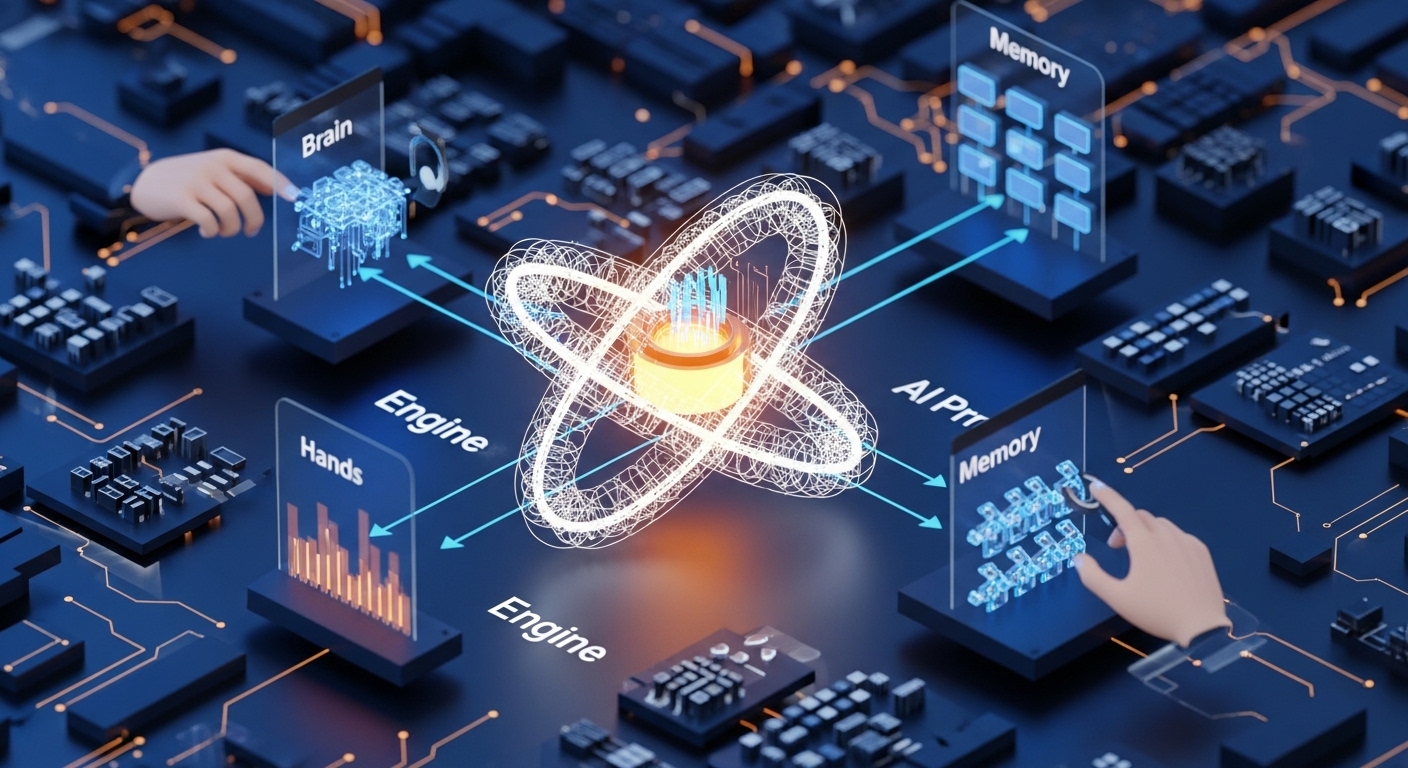
As AI is integrated into everyday software, this process gets more and more inefficient. Intelligent systems require the capacity to store relevant information to retrieve information instantly and be aware of changes in information over time. This is the reason memory is one of the key elements of the modern AI architecture.
Memory transforms AI from being reactive to becoming intelligent
AI systems that are able remember past work are different from systems which are created from scratch every time. Persistent memory makes it possible for applications to understand ongoing projects, recognize frequent patterns and give solutions based on the historical context, not just isolated instructions.
Telys was created to solve this challenge. It’s not a cloud service, but an embedded AI agent memory that can store and retrieve data directly in the application. This enables developers to keep their context in check, in addition to reducing redundant computations as well as processing. This results in an AI experience that feels significantly more natural as the program retains the information that is important.
Keep data local to improve both speed and security
AI models are not judged solely on their ability to create text. The speed of retrieval, the efficiency of the system, as well as the security level are all equally important to organizations who deploy AI in their production.
By using the on-device storage to store data for AI agents, programs can access relevant data from servers without needing to keep in constant contact with them. The memory remains in the local area, which means queries are answered faster and companies have better control over sensitive information. This design is especially beneficial to engineers working on internal tools, enterprise-level applications and privacy sensitive applications, in which data ownership cannot be affected.
Memory that is working in the background can be beneficial to developers
Intelligent software shouldn’t need creating a complex infrastructure to save context. Software developers prefer to use tools that easily integrate with existing workflows and do not add any additional overheads for operation.
A local MCP Memory Server allows this to be done by providing compatible AI Development Environments to use persistent memory in the local ecosystem. AI assistants do not need to transfer information repeatedly across remote APIs. They can access the exact data they need directly from a memory that is already connected to the application. This method simplifies the delay and improves the experience for developers working on massive projects that are constantly evolving their codebases.
AI’s future depends on context
Artificial Intelligence goes beyond simple conversation into systems capable of analyzing and planning complex tasks on their own. These systems require a stable memory to keep information in all interactions.
Telys is a standout as an innovative AI memory engine that offers persistent local retrieval that is specifically designed for intelligent applications that demand speed in reliability, security, and speed. Telys is a device that combines AI agent memory with a local memory server that has high performance, assists developers create software that is able to remember the previous work done and retrieve information quickly. Also, it improves over time.
As AI is integrated more into the business processes and products, the ability to remember accurately may become just as important as being able to think. Telys helps AI developers build AI apps that are more efficient more efficient, smarter and more effective by providing a long-lasting contextual information to intelligent systems, instead of conversational conversations that are only temporary.