
Very rarely does a successful garden start with expensive equipment or a beautiful property. Most of the time, it’s an individual who has planted the seeds, and then observes the outcomes. This can help them make better decisions for the next season.
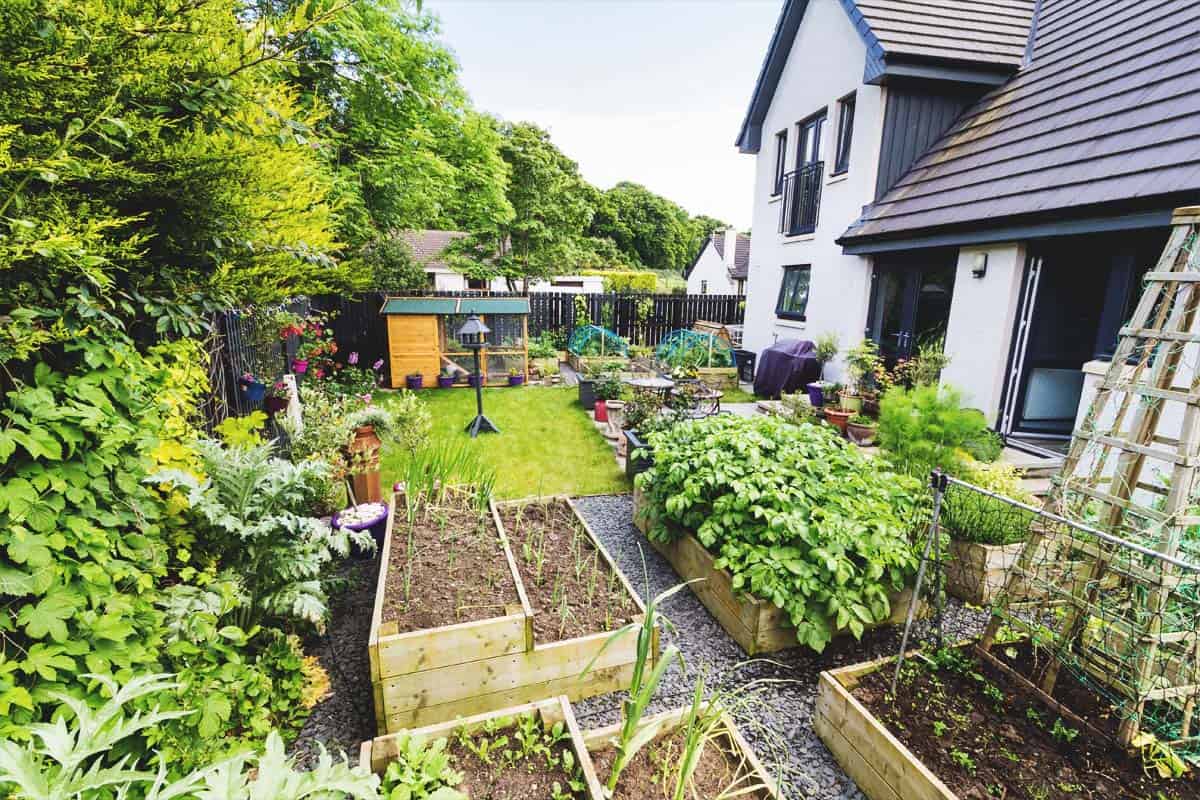
That practical approach is central to The Sproutstead, an informational resource created for people who want to grow food, improve their soil, preserve what they harvest, and develop useful self-sufficiency skills without getting buried in technical language.
Your Garden has Its Own Specific Set of Rules
One reason gardening advice could be frustrating is that gardens aren’t interchangeable. The same tomato variety planted in a raised garden with sunlight in one region could be very different from the same tomato variety grown in dense, hard soil in another area.
A successful homesteading or gardening experience requires more than just following the instructions. Gardeners are better off knowing their personal conditions, including sun soil structure, soil structure, rain temperatures, the growing season availability of space, the amount of time they’re able to dedicate to maintaining.
The Sproutstead focuses on explaining these variables so readers can adapt the gardening knowledge to their own home rather than attempting to replicate an ideal garden from someone else’s.
Below the surface, vegetable gardening begins
Naturally the people pay more attention to plants that they can see. However, the effectiveness of a garden project is heavily determined by underground.
The proper balance between drainage, moisture retention (retention of moisture) and nutrients as well as organic matter is essential for healthy soil. Composting improves soil over time while mulching conserves moisture and helps to control the spread of weeds. Being aware of these essentials can ease vegetable gardening as healthier soil conditions provide plants a better foundation at the beginning.
Planning is equally important. The efficiency of a gardener’s use of limited space can be determined by the spacing between plants, the timing to plant crops, the plants that are planted in companions and the season succession.
Tomatillos is a good example of Paying Attention
You’re likely to hear ten distinct stories from ten gardeners when you ask them questions about tomatoes. They’re among the most sought-after home crops, but they also show how many cultivars work in tandem.
When looking into tomato cultivation, it is important to think beyond the depth of plantation and fertilizer schedules. Tomatoes require adequate sunlight, constant watering, suitable ground, appropriate spacing and support when they mature. It is essential to choose the appropriate tomato cultivar, as growing conditions the available space, as well as the intended use can all affect which tomato is the most appropriate.
It may not be possible to solve the issue simply by the addition of fertiliser. This could be due to excessive nitrogen in the soil, low temperatures, a lack of sunlight, or even poor pollination. The whole plant’s observation provides better clues than treating every sign in the same way.
A Harvest is only a small part of the Story
If the majority of the vegetables have gone bad before you consume them, then it’s failure. After harvest, a thoughtful way to grow your own vegetables at home is to consider the whole process.
Canning or freezing, drying, and sharing surplus produce can improve the value of what you cultivate. It is also possible to save seeds for future use or even compost the scraps you can’t avoid. The composting process, backyard chickens fruits trees, and herbs are all possible additions to the household system.
Nobody has to be implementing all of the homesteading methods at once. The first step to progress is learning how ways to grow lettuce or enhance the quality of a compost pile and even preserving your first tomato crop you grew at home.
Practical Knowledge Builds Better Gardeners
Even the most comprehensive gardening guide doesn’t guarantee perfect plants. Weather conditions change, pests may appear, seeds may fail, and advice differ based on the locale.
The Sproutstead regards these realities as a fundamental part of the process of learning and not an extravagance. Through connecting subjects such as soil and vegetables, seed-starting, pesticides, preservation chemicals, backyard chickens, or self-sufficiency, with different topics like preservation, backyard poultry, or self sufficiency, readers will gradually master the art of growing an organic garden.
The same principles apply to building a more productive garden at home, slowly, season by season and with an established foundation.