
The restaurant’s owner examines the sales before focusing on the bottom line prior to closing the report.
Sounds familiar?
If just those two numbers are scrutinized the true value of the report is lost.
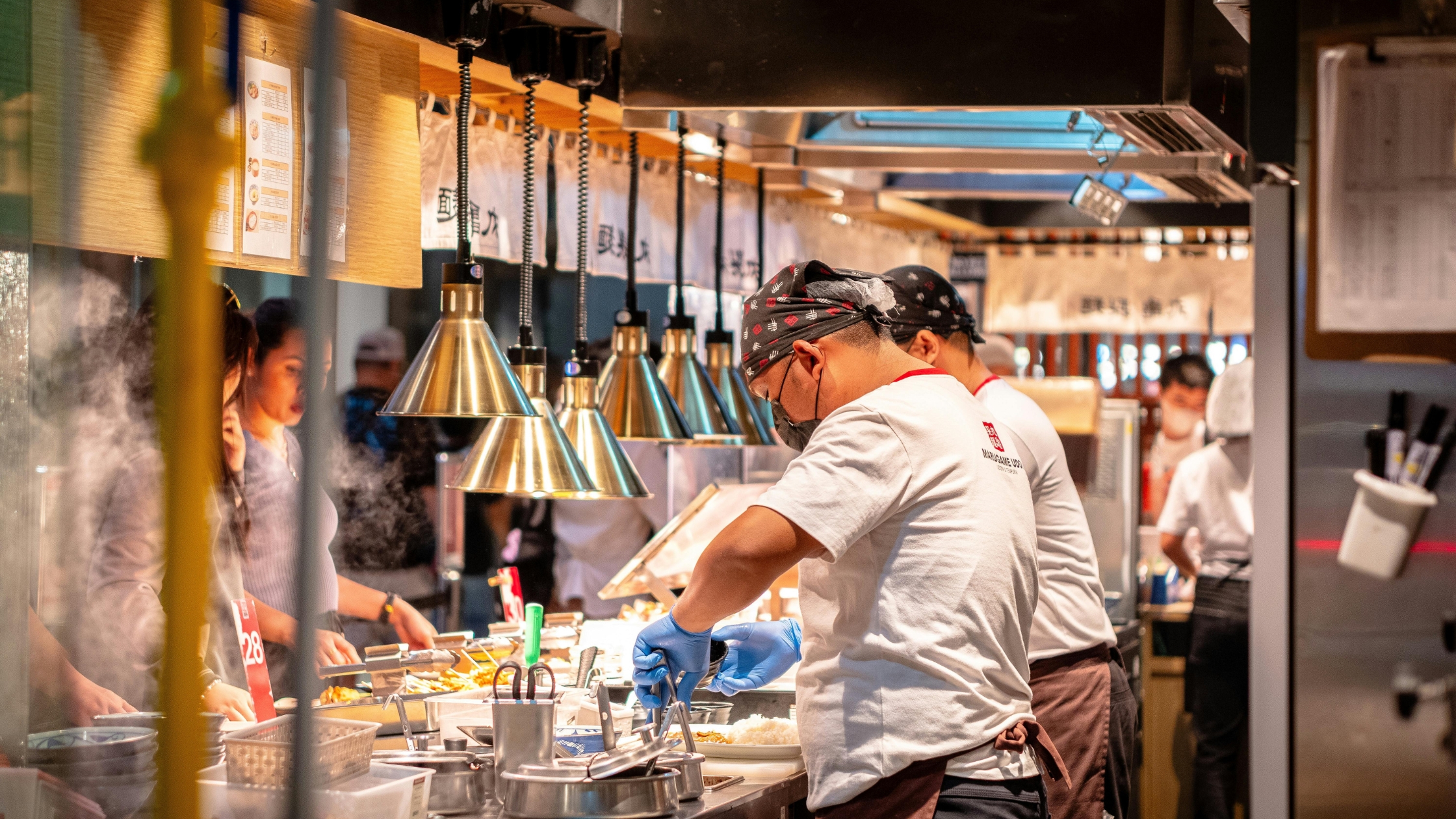
Good restaurant bookkeeping shouldn’t make owners more dependent on an accountant. They should have confidence in their own financials. There is no need to be familiar with all accounting rules or do a lot of work in the evenings completing invoices. It is important to know how profit moved in relation to the costs of food and labour and which issues require focus next week.
Bookkeeping Chef is an application which automatizes bookkeeping, so users can focus on other things while getting more precise financial reports.
You must begin looking at Weekly Numbers and Not Only Month-End
A monthly P&L is crucial, but restaurants don’t operate monthly. Managers schedule labor for the week. The chef placed an order for food today. Vendors change prices now.
Bookkeeping Chef offers weekly flash reports on costs of the day together with monthly financial reports.
The prime cost comprises two major areas that are easily transferred in a food service establishment: the price of the food sold, and the cost of labor. According to information provided by Bookkeeping Chef, prime costs make up around 60% of restaurant sales.
Think about a situation where sales are barely changing while the prime cost is growing. This percentage doesn’t provide an answer. It gives the owner a reason to conduct an investigation.
Did hourly work get more expensive? Did you have any overtime? Did food costs change? Was a vendor invoice uncharacteristically high? What changes have occurred in the sales mix?
It is better to discover the issue earlier rather as opposed to later.
Automate repetitive tasks
DIY bookkeeping isn’t limited to manually transposing POS numbers into spreadsheets.
Automating bookkeeping for restaurants can assist with the frequent movement of financial information. The service is able to integrate systems such as POS Payroll, QuickBooks, vendor platforms and inventory management.
Automatization is not the aim.
This is done to reduce the time spent on manual data entry. This also helps keep accounts of financial transactions up to date so that the owners have time to spend reading information rather than gathering it.
This creates a brand new method of bookkeeping for restaurants. The technology handles more of the mechanics, while the owner remains involved with the financial implications.
P&L Questions: Learn How to Ask More Effective Questions
When you stop treating a P&L as a type of test, it will become less daunting.
Begin by reviewing the numbers of sales. Then, you can look at the cost of production. Compare the performance of food and beverages. Consider the labor. See the work.
Comparing the time spans is crucial.
When sales improve but profits aren’t, it is a change between them. What changed when the cost of food went up? Review the staffing numbers and sales activities if labor percentages have changed. Investigate any numbers that seem strange, rather than assuming that the restaurant experienced a poor week.
Bookkeeping Chef delivers monthly P&Ls on five days. This lets the owners look at recent performance without waiting for financial statements which often arrive months later than the conclusion of the operating period.
Understanding is more crucial than speed for those searching for bookkeeping solutions in restaurants.
There’s no need to do everything yourself when you make it DIY
You don’t have to become your own bookkeeper full-time in order to avoid giving the entire bookkeeping responsibility to a different person.
Owners can remain active without having to perform every accounting task.
It could be as simple as automatizing systems to ensure information flow, looking over the monthly P&L and weekly reports on prime costs and asking questions in the event that there is an unplanned event.
The bookkeeping services of restaurants that specialize in restaurants can help owners get the most from the reports by arranging the books and keeping them in order.
There is a good chance that you’ll find one who can carry out all the functions.
Owners who are able to have a conversation about their business to the P&L are more likely to succeed.
The aim is financial independence and not More Reports
Restaurants generate a lot of data. A dashboard may not always make sense.
The real value comes the moment an operator opens a P&L report, and see that there is a shift and then examine the reports on prime costs.
Bookkeeping Chef’s approach includes financial support for restaurants, daily reporting, and automated bookkeeping in restaurants to accomplish this.
Automatize repetitive tasks. Check the primary cost every week. Learn to speak the language of your P&L.
There is no need to be an accountant to be an.
Owners who know the financial aspect of their own restaurants are able to make better choices.